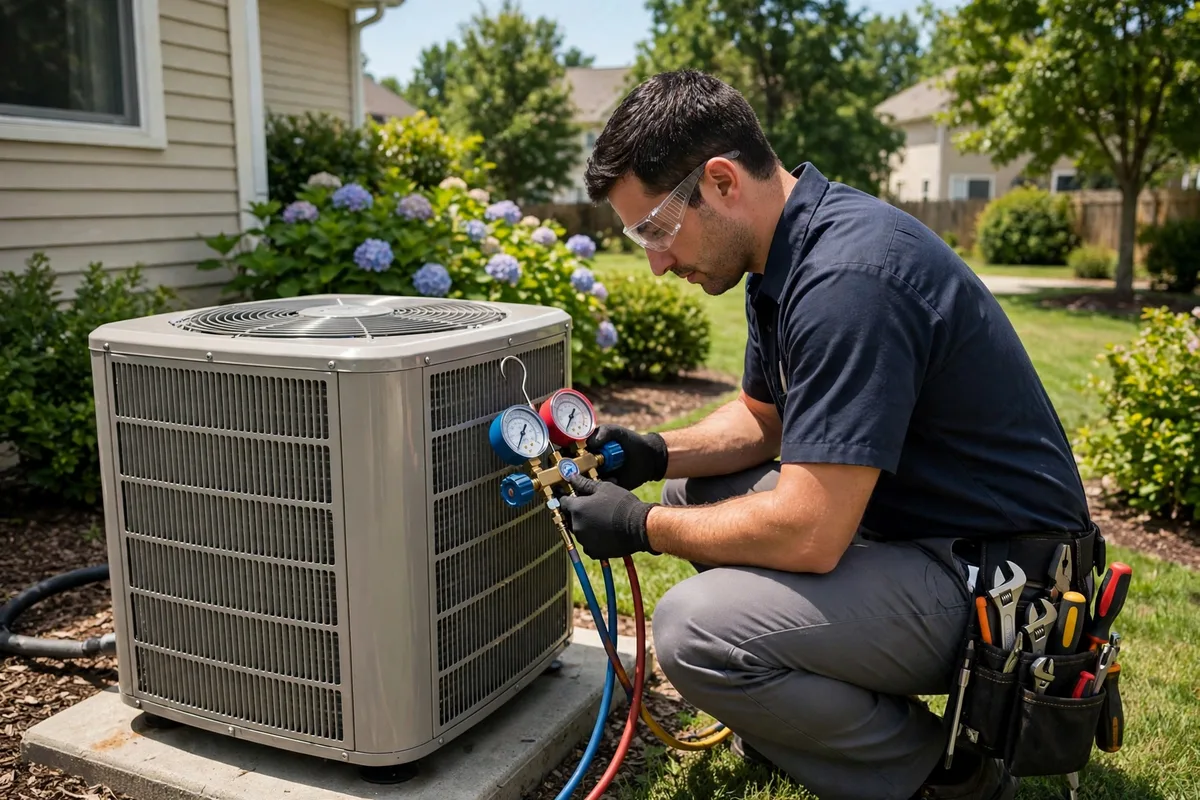
Professional AC Repair in Salt Lake City, UT
AC repair in Salt Lake City for cooling problems, weak airflow, frozen coils, and electrical faults. Learn the signs and what technicians ch
Learn more →
HVAC repair in Salt Lake City covers air conditioning, heating, and heat pump systems — the full heating and cooling system in your home or business. When something stops working, repair is about finding the fault, explaining the options, and fixing it properly. This page explains what HVAC repair covers, the problems that show up most often in Salt Lake City homes, how repair differs from a tune-up, and how to decide when repair stops making sense.
HVAC repair covers faults in the equipment that heats and cools your home: air conditioners, furnaces, heat pumps, thermostats, and the ductwork and controls that connect them. A repair visit starts with diagnosis — finding what has failed and why — and then the repair itself, whether that is a part replacement, an electrical fix, a refrigerant correction, or an airflow repair.
Repair is different from maintenance. Maintenance is scheduled care for a working system. Repair is what happens when something has already gone wrong: the system will not start, will not heat or cool properly, makes unusual noises, leaks, or cycles on and off.
Salt Lake City's climate shapes the faults that show up most. In summer, air conditioners struggle with hot, dry air and thin mountain air, so weak cooling, frozen coils, and short cycling are common. In winter, furnaces work long hours in freezing temperatures, so ignition failures, burner problems, and thermostat faults appear more often.
Ductwork adds its own problems: leaks in older ducts waste heated and cooled air and leave some rooms cold while others overheat. And winter inversion holds dust and particulates close to the ground, which loads filters faster and makes airflow problems more noticeable. The service pages for each system explain these problems in detail.
Repair and service are often used as if they mean the same thing, but they are different. Repair fixes a fault — something is broken, and a technician diagnoses and repairs it. Service, or maintenance, is scheduled care: inspections, cleaning, filter changes, and tune-ups carried out while the system is still working.
Both matter. Regular service catches small problems before they become breakdowns, and it keeps a system running efficiently. Repair is what you need when the system has already failed. The blog article on HVAC repair vs HVAC service explains the difference and when to book each one.
The hardest question in HVAC repair is whether to keep repairing or replace the system. Three factors matter most: the system's age, how often it has needed repairs, and how its efficiency compares with a new system. A single repair on a young system usually makes sense. Repeated repairs on an old system often do not.
A common rule of thumb is to compare the repair cost with the cost of replacement — if a repair costs a large share of what a new system would cost, replacement deserves a serious look. The repair-vs-replacement articles explain the framework for AC, furnaces, and heat pumps.
Repair costs vary with the system type, the specific problem, the parts needed, and how easy the system is to reach. A thermostat fix and a compressor replacement are very different jobs, and a rooftop commercial unit costs more to reach than a furnace in a utility room.
No prices are published on this website, because the range is too wide to be useful without knowing the fault. Ask the service provider for pricing details — including any diagnostic fee — before authorizing any work.
AC repair in Salt Lake City for cooling problems, weak airflow, frozen coils, and electrical faults. Learn the signs and what technicians ch
Learn more →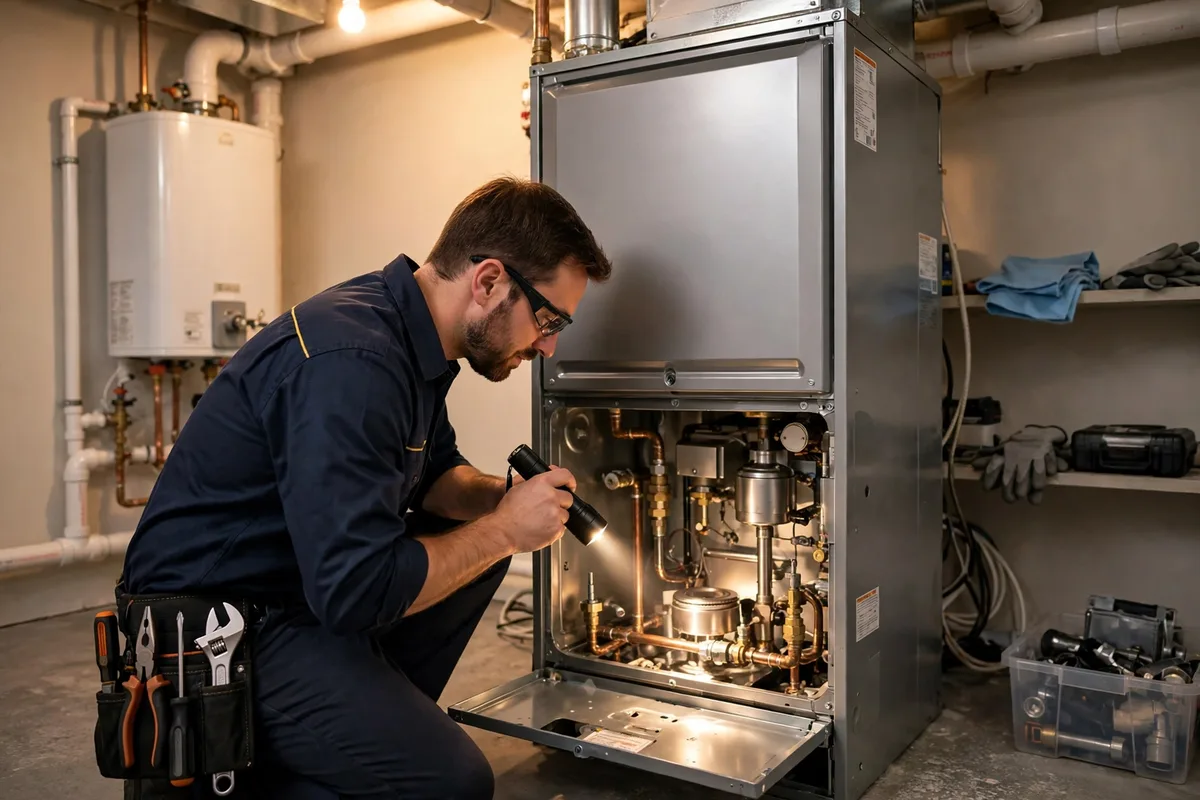
Heating repair in Salt Lake City for furnaces, heat pumps, and other heating systems. Learn common faults, warning signs, and what a technic
Learn more →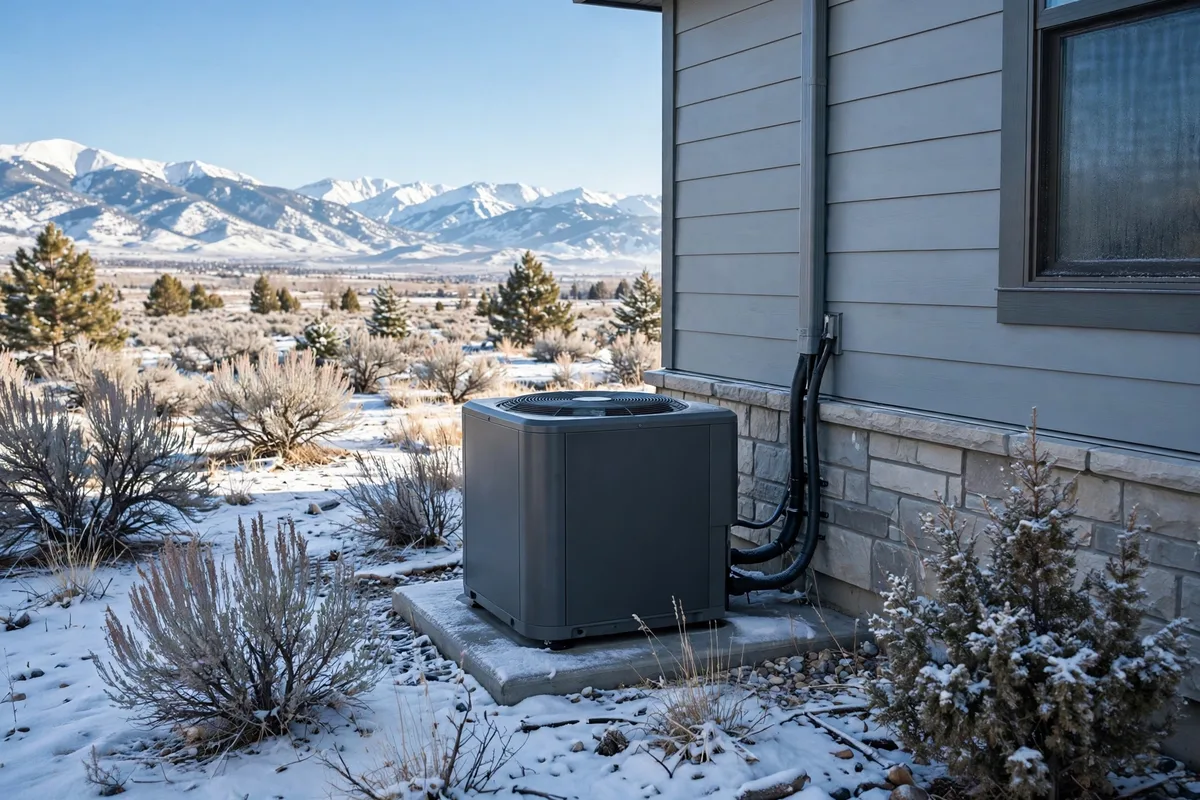
Heat pump repair in Salt Lake City — defrost problems, icing, short cycling, and heating or cooling faults. Learn the signs and what a techn
Learn more →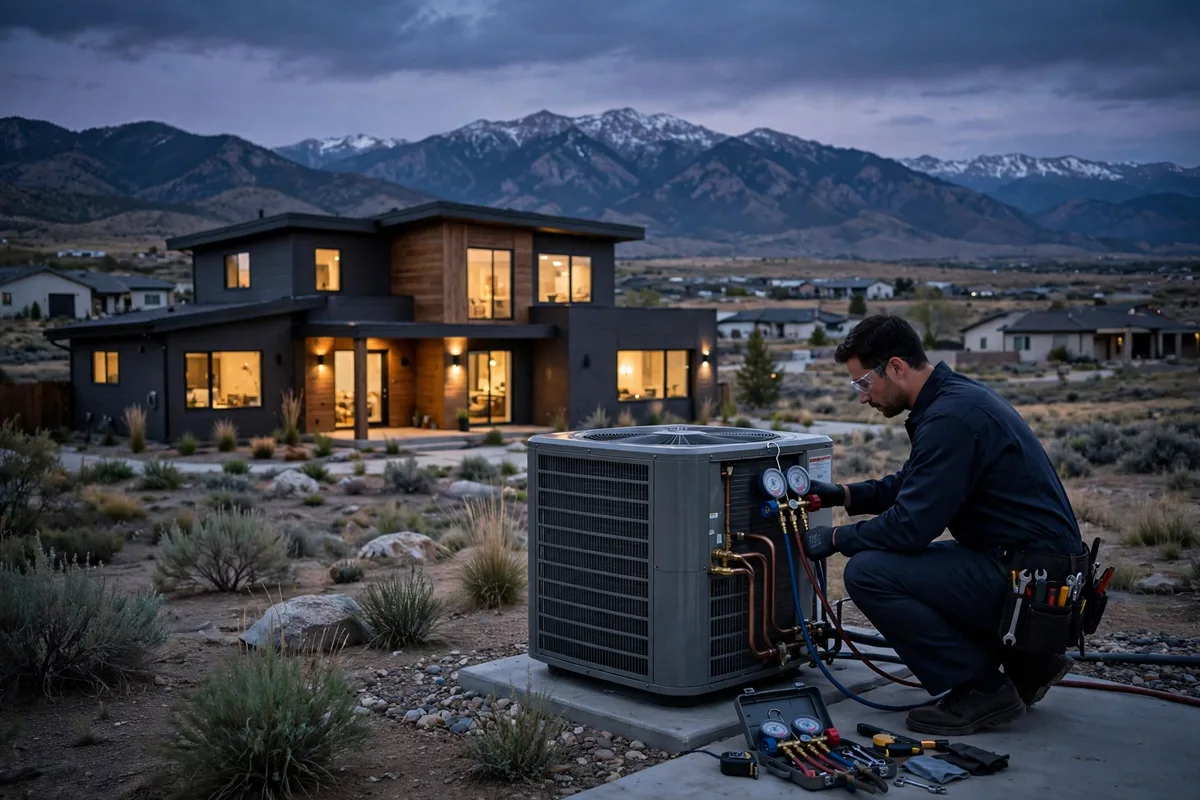
HVAC maintenance in Salt Lake City — whole-system inspections, tune-ups, and seasonal checks that help heating and cooling run reliably and
Learn more →HVAC repair vs HVAC service — what is the difference, and when do you need each? A plain-language guide for Salt Lake City homeowners, expla
Learn more →
HVAC help across Salt Lake City and the valley — 25 residential ZIP codes in the city plus nearby valley cities. Check your area and ZIP cod
Learn more →Heating and cooling help is available across Salt Lake City and the surrounding Salt Lake Valley. See the service areas page for the ZIP codes and cities covered.
If the system is not heating, not cooling, leaking, making unusual noises, or cycling on and off, it needs repair — something has failed. If it works but has not been serviced in a while, is running less efficiently, or is due for its seasonal check, it needs a tune-up. When in doubt, describe the symptoms when you request help.
It depends on the fault. Simple fixes such as a thermostat replacement or a capacitor can take under an hour, while a compressor, heat exchanger, or duct repair takes longer and may need parts ordered. The technician explains the expected time after diagnosis.
Consider age, repair frequency, and efficiency. A young system with a single fault is usually worth repairing. An old system that needs frequent repairs, or one whose efficiency is far behind current models, may be cheaper to replace over time. The repair-vs-replacement articles explain how to weigh the decision.
Clear access to the indoor and outdoor units, note when the problem started and what you have observed — noises, smells, error codes, or rooms that are too hot or cold — and check the thermostat settings and the filter. Do not open sealed equipment or work on gas or electrical parts yourself.
Service providers work on major HVAC brands, but brand and model support varies by provider and location. Tell the provider your brand and model when you request help so they can confirm support before the visit. See the brands page for the manufacturers most commonly worked on.
Explore the relevant service page or check whether your ZIP code is included in current service coverage.