
Signs Your Air Conditioner Needs Repair
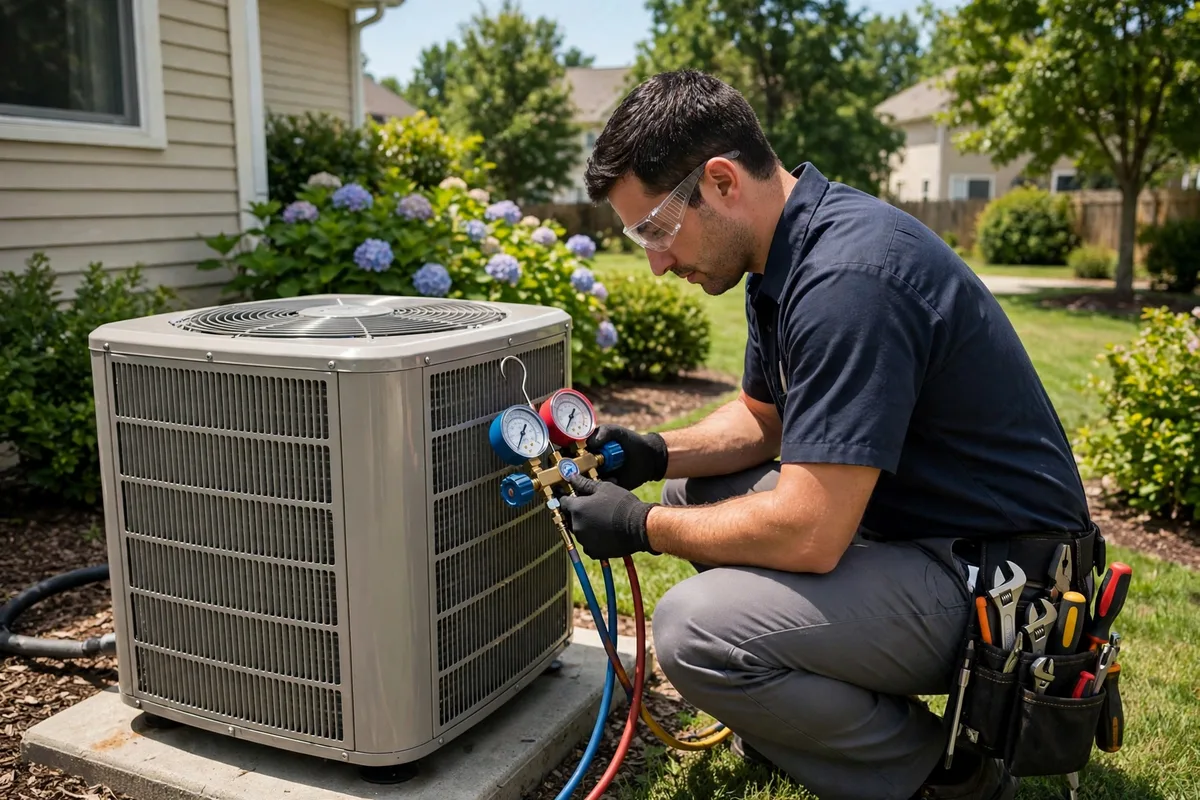
Air conditioners rarely fail without warning. Long before a system stops cooling altogether, it usually gives signs: the air feels a little weaker, a new sound appears, a damp patch shows up near the indoor unit, or the energy bill creeps up for no clear reason. In Salt Lake City, where a working air conditioner matters through long, hot, dry summers, noticing these signs early can save a great deal of discomfort. This guide covers the warning signs every homeowner should watch for, what each one usually means, and when to call for help.
Weak or Warm Airflow
Weak airflow is the most common early warning sign, and it often starts so gradually that it is easy to miss. The rooms take a little longer to cool, the air from the vents feels less forceful, and the system runs longer to reach the set temperature. A clogged filter is the most common cause, and it is also the easiest to fix, but weak airflow can also mean a dirty coil, a failing blower, or ductwork that has come loose in the attic. If a new filter does not restore the airflow, the cause is deeper in the system.
Warm air from the vents is a different warning. When the system runs but the air stays warm, the problem may be a refrigerant issue, a frozen coil, or a compressor that is no longer doing its job. At Salt Lake City's elevation, the thin air already makes compressors work harder, so a compressor that is wearing out shows up sooner here than it might elsewhere. Warm air that persists after the basic checks is a sign to call a professional rather than keep running the system and hoping it recovers.
Strange Sounds & Smells
A healthy air conditioner makes a steady hum and not much else. New sounds are worth listening to: a squeal often means a worn belt or a blower motor bearing, a rattle can mean a loose panel or debris in the outdoor unit, and a bang when the system starts can mean a part that has come loose. Grinding is the sound to take most seriously, because it usually means metal on metal inside a motor or compressor, and running the system in that state can turn a repair into a replacement.
Smells matter too. A musty smell from the vents often means moisture and mould in the drain pan or the ductwork, especially after a long idle winter. A burning smell can mean an electrical fault or a motor overheating, and the system should be switched off if you smell burning. A sweet, chemical smell near the indoor unit can point to a refrigerant leak. Any smell that is new, strong, or persistent deserves attention rather than being ignored until the next season.
Leaks & Moisture
Water around an air conditioner is a warning sign that should not be ignored. The most common cause is a clogged condensate drain: the system removes moisture from the air as it cools, and that water has to drain away. When the drain clogs with algae or debris, water backs up and can overflow the drain pan, damaging ceilings, walls, and floors. A small amount of condensation on the lines is normal, but pooling water on the floor is not.
Refrigerant leaks show up differently. You may see ice on the refrigerant lines or the indoor coil, hear a faint hissing near the indoor unit, or notice an oily residue on the lines. A refrigerant leak is not a do-it-yourself fix, because the leak has to be found and repaired before the system can be recharged. Water damage from a clogged drain can also hide inside walls and ceilings, so a leak that has been going on for a while may need more than a drain clearing to put right.
Rising Energy Bills
A steady rise in cooling costs, without a change in how you use the system, is a warning sign that the equipment is struggling. A dirty coil, a low refrigerant charge, a worn blower, or leaky ductwork all force the system to run longer for the same cooling, and that extra running shows up on the bill. Comparing bills with the same months in earlier years gives a fairer picture than comparing one month with the next, because summer heat varies from year to year.
Before blaming the equipment, check the simple things: a thermostat left at a very low setting, a window left open, or a filter that has not been changed in months can all raise energy use. If those are fine and the bills keep rising, a service visit can check the coils, the refrigerant charge, and the ductwork to find where the extra energy is going. A system that costs noticeably more to run than it did a year ago is telling you something, even if it still cools the house.
Frequent Cycling
Frequent cycling, when the system switches on and off far more often than it should, is a sign that something is wrong. A healthy system runs in steady cycles, long enough to cool the house evenly, and then rests. A system that runs for a few minutes, stops, and starts again is working far harder than it should, and the constant starting wears out the compressor and the controls. It also leaves the house less comfortable, because short cycles never run long enough to balance temperatures across the rooms.
Several causes can make a system cycle too often. A clogged filter, a thermostat placed in a draughty spot or in direct sunlight, a refrigerant problem, or a system that is oversized for the home can all cause it. An oversized system is a common cause in older valley homes, where equipment was sometimes installed larger than the house needed. If your system has started cycling more often than it used to, or if it has always cycled this way, it is worth having the thermostat, the refrigerant charge, and the system sizing checked.
Frequently Asked Questions
My AC makes a noise when it starts. Is that normal?
Some noises are normal, such as the soft hum of the fan or the click of the system starting. New noises, loud noises, or noises that get worse over time are the ones to watch. A squeal, a grind, a bang, or a hiss that appears suddenly deserves a check, especially if it returns every time the system runs.
What should I check first if my AC stops cooling well?
Check the thermostat, the filter, and the outdoor unit first, because a wrong setting, a clogged filter, or debris around the condenser can all cause weak cooling. If those are fine and the air is still weak or warm, the problem is likely in the refrigerant, the coil, or the compressor, and it needs a professional inspection.
Is a little water around my indoor AC unit normal?
A small amount of condensation around the indoor unit can be normal, especially on humid days, but water pooling on the floor or dripping from the unit is not. A clogged condensate drain is the most common cause and is usually a straightforward fix. Switch the system off if water is pooling near electrical parts or damaging floors or ceilings.
How do I know if these signs mean repair or replacement?
A system that has served for many years and shows several of these signs at once is usually nearing the end of its useful life. A younger system showing one sign, such as a single strange noise or one episode of weak airflow, is usually a repair rather than a replacement. The pattern matters more than any single symptom.