
How Often Should You Clean Your Air Ducts?
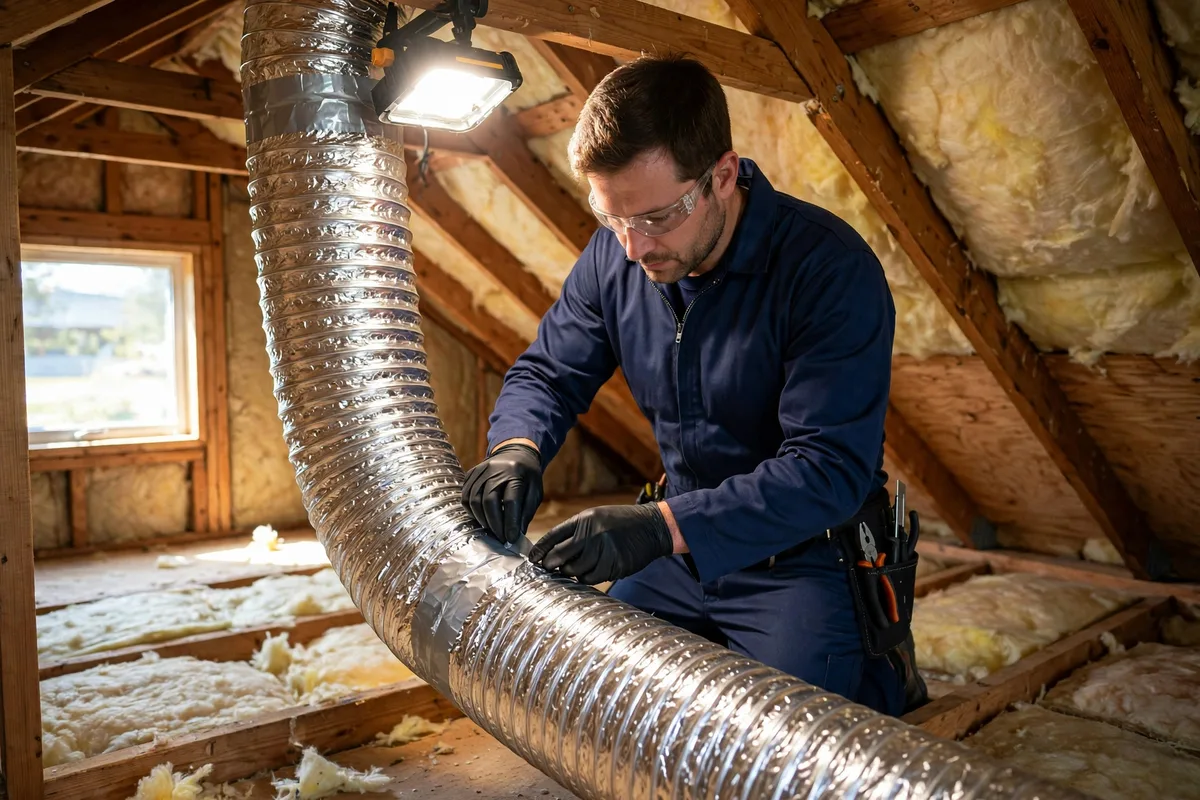
How often should you clean your air ducts? It is a question every homeowner hears a different answer to, and the reason is that there is no single schedule that fits every home. Some companies suggest cleaning every year, others say every few years, and the EPA says something else entirely: clean as needed, not on a fixed schedule. In Salt Lake City, where winter inversion leaves fine dust in the valley air, the question has a local shape. This guide explains the honest answer, the signs that cleaning is due, the local rhythm many valley homes follow, and how cleaning differs from sealing.
The Honest Answer: As Needed
The honest answer to how often ducts should be cleaned is that it depends on the home, not the calendar. The EPA advises homeowners to clean their ducts as needed rather than on a fixed schedule, because a clean duct system in a clean home may not need cleaning for many years, while a duct system in a dusty home or a home with a mould or pest problem may need it sooner. Cleaning on a schedule, whether yearly or every few years, spends money without a reason when the ducts are already clean.
What matters is the condition of the ducts themselves, which can be checked by looking inside a vent, inspecting the filter, or having a technician look with a camera. A home that has recently been renovated, that has had a pest problem, or that has visible dust pouring from the vents has a clear reason to clean. A home with clean ducts, a filter that is changed on time, and no signs of trouble has no reason to clean at all. The as-needed approach saves money and avoids unnecessary work on a system that is already in good shape.
Signs Your Ducts Need Cleaning
Several signs point to ducts that need cleaning. Visible mould inside the ductwork or on the vent covers is the clearest, because mould in the ducts spreads spores through the whole house every time the system runs. A pest infestation, shown by droppings, nesting material, or dead insects in the ducts, is another clear sign. Dust pouring from the supply vents when the system starts, or a thick layer of dust building up on vents within days of cleaning, means the ducts are carrying dust into the living space.
Other signs are less obvious but still worth noting. A musty smell from the vents that does not go away after a filter change can mean mould or trapped moisture in the ducts. A filter that clogs far faster than it should can mean the ducts are shedding dust into the system. In older Avenues homes, where ductwork may be decades old and routed through attics and crawl spaces, these signs are more common, because the ducts have had longer to collect dust and debris. Any of these signs is a reason to have the ducts inspected, even if the last cleaning was recent.
The 1.5–2 Year Rhythm
In Salt Lake City, some homes follow a rhythm of cleaning their ducts every 1.5 to 2 years, and that habit has a local reason. Winter inversion traps fine dust and pollution in the valley for days at a time, and that dust finds its way into homes through every gap and opening. Over a year or two, it builds up in the ductwork, especially in homes with older ducts, pets, or a lot of foot traffic. For these homes, a cleaning every year and a half to two years keeps the dust load down and the air in the home fresher.
This rhythm is a habit rather than a rule, and it does not suit every home. A newer home with sealed ducts, a good filter, and no pets may go far longer without needing a cleaning, while a home that has just been renovated or that has had a mould or pest problem may need one sooner. The rhythm is a useful starting point for valley homeowners who want a schedule to follow, but the condition of the ducts should always be checked before booking a cleaning, because cleaning clean ducts is wasted effort.
Cleaning vs Sealing
Cleaning and sealing are two different jobs, and they solve different problems. Cleaning removes dust, debris, and mould from inside the ductwork, while sealing closes the leaks in the duct joints so that heated or cooled air does not escape into attics and crawl spaces. A home can need one, the other, or both, and the right choice depends on what the ducts actually look like. Cleaning a leaky duct system removes the dust but does nothing about the air being lost through the leaks.
Sealing is often the more valuable job in older valley homes, because leaky ducts waste energy every day the system runs. A duct system that loses air into an attic forces the furnace and the air conditioner to run longer for the same comfort, and it can pull dusty attic air into the living space as well. If the ducts are both dirty and leaky, cleaning should come first, so that the sealing does not trap dirt inside. A technician who can inspect the ducts and test for leaks can tell you which job your home needs, and whether both are worth doing.
What the EPA Says
The EPA's guidance on duct cleaning is straightforward: clean as needed, not on a fixed schedule, and only when there is a clear reason. The EPA lists the clear reasons as visible mould growth inside the ductwork, a pest infestation, or a heavy build-up of dust and debris that is being released into the living space. If none of these apply, the EPA does not recommend routine duct cleaning, because there is no evidence that cleaning clean ducts improves air quality or health.
The EPA also warns homeowners to be cautious about claims that duct cleaning will solve health problems or dramatically cut energy use. Duct cleaning can help when the ducts are genuinely dirty, but it cannot fix a home with poor filtration, high humidity, or a source of pollution elsewhere in the house. If a company claims that duct cleaning will cure allergies, remove all dust from the home, or pay for itself in energy savings, that claim goes beyond what the evidence supports. The sensible approach is to inspect the ducts, clean them when there is a clear reason, and spend the rest of the effort on filtration and ventilation.
Frequently Asked Questions
Will duct cleaning help my allergies?
No. Duct cleaning removes dust and debris from the ductwork, but it does nothing about the air coming into the home, the filter, or the humidity. If allergies are the concern, filtration and humidity control matter more than duct cleaning. Duct cleaning helps when the ducts themselves are the source of the dust or the smell.
Should I clean my ducts before sealing them?
It depends on how bad the ducts are. A home with visible mould, a pest problem, or a thick layer of dust in the ducts needs cleaning before sealing, because sealing dirty ducts traps the problem inside. A home with clean ducts and leaky joints may benefit from sealing alone. A technician who can inspect the ducts with a camera can tell you which one your home needs.
Does dust building up quickly on my vents mean the ducts need cleaning?
Yes, and it is the most reliable sign that cleaning is due. If a thick layer of dust builds up on a vent within days of cleaning the room, the ducts are likely carrying dust into the living space. A filter that clogs unusually fast is another sign. Both point to debris in the ductwork rather than to a problem with the filter itself.
How long does duct cleaning take?
Duct cleaning is usually a half-day job for a typical home, depending on the size of the duct system and how dirty it is. A reputable company will explain the process, show you what was found, and avoid upselling services the ducts do not need. If the quote includes work you do not understand, ask for it to be explained before agreeing.