How Long Does an HVAC System Last?
Every homeowner wonders how long their heating and cooling system will last, usually right after a repair bill arrives. The answer depends on the equipment, the climate it works in, and how well it has been looked after. Salt Lake City asks a lot of its systems: hot, dry summers, cold winters, dust from inversion season, and long heating runs. This guide covers the typical lifespan of air conditioners, furnaces, and heat pumps, what shortens a system's life, and the signs that yours is nearing the end, so you can plan rather than react.
AC Lifespan
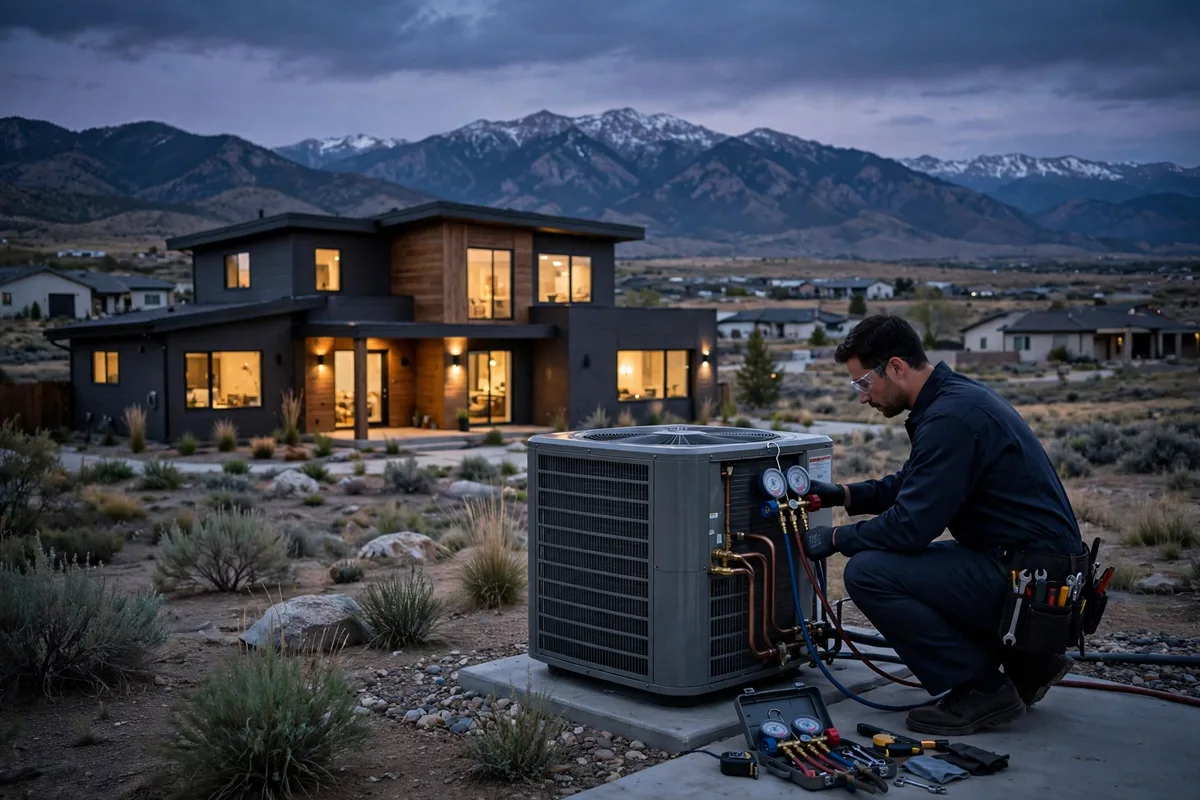
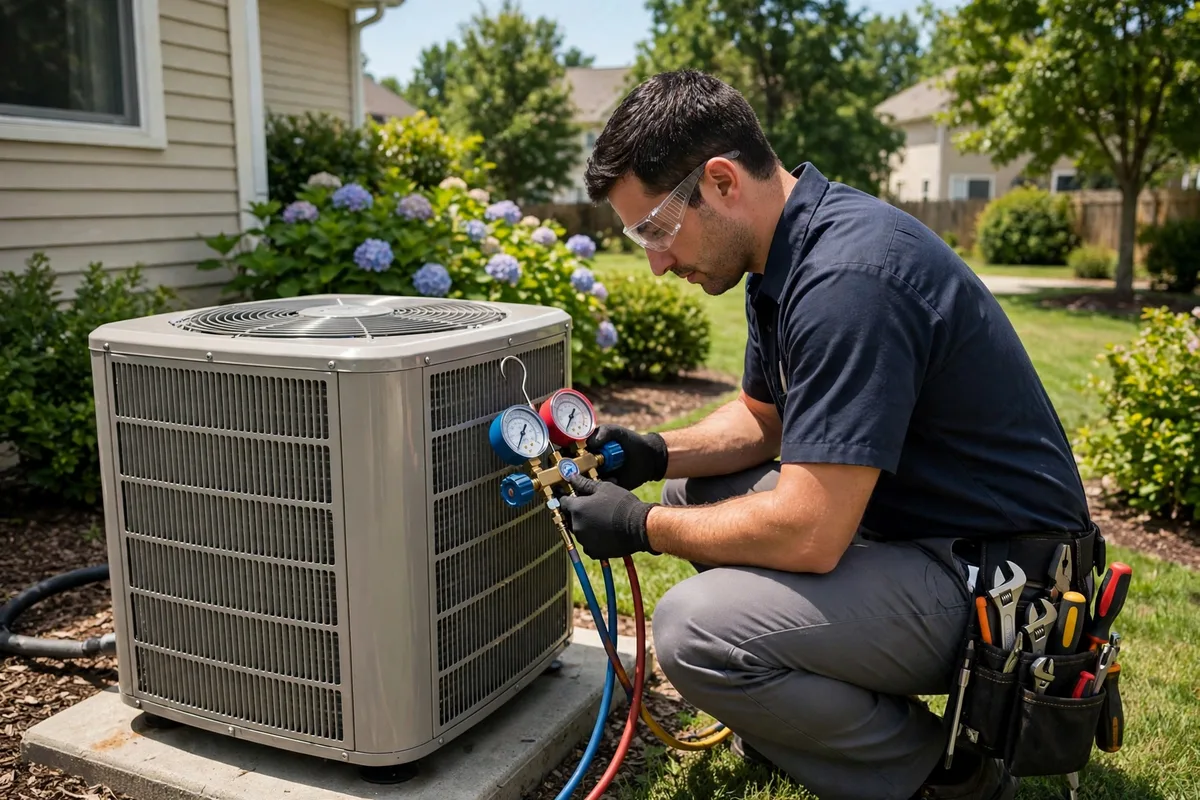
An air conditioner in Salt Lake City generally gives many years of service when it is looked after, with regular service, clean coils, and filters changed on time. The compressor does the hardest work, and its life depends on how often the system runs, how clean the coils stay, and whether the refrigerant charge stays correct. A system that runs with a dirty coil or a low charge strains the compressor on every cycle, and that strain adds up over seasons. At an elevation of about 4,226 feet, the thin air already makes compressors work harder, so clean coils and correct refrigerant matter even more here.
The home around the system matters too. An air conditioner in a well-insulated home with sound ductwork cycles less and lasts longer than one fighting leaky ducts and poor insulation. Outdoor units also face the valley's dust, cottonwood fluff, and winter weather, so keeping the area around the condenser clear and the coil clean helps the system shed heat properly. When an air conditioner starts needing frequent repairs, cools unevenly, or uses noticeably more energy than it used to, it is showing the wear of its years rather than a single fault.
Furnace Lifespan
Furnaces in the Salt Lake City climate typically last 15 to 20 years, according to what local companies observe in the field. That range reflects the long heating seasons here: a furnace that runs steadily through cold winters accumulates more wear than one in a mild climate. The heat exchanger, the burner, and the blower all wear with use, and the rate of wear depends on how clean the system is kept and how promptly small faults are repaired. A furnace that is serviced every fall, with its filter changed on time, is far more likely to reach the upper end of that range.
Age alone is not the whole story. A furnace that is 18 years old but heats evenly, runs quietly, and has needed little work may still have good years left, while a younger furnace that has been neglected can fail early. What matters is the pattern: rising repair frequency, uneven heating, and a heat exchanger that shows signs of wear are the signals that the end is approaching. Safety checks become more important as a furnace ages, because the heat exchanger and the flue are the parts that keep combustion gases out of the home.
Heat Pump Lifespan
A heat pump generally lasts a similar span to an air conditioner, because the same compressor does the work in both seasons. The difference is that a heat pump never rests: it heats through the winter and cools through the summer, so it accumulates wear in every month of the year rather than half of them. That steady use makes regular service more valuable, not less, because a fault that is caught early costs far less than a compressor that fails after months of strain.
Utah winters add their own wear to a heat pump. Snow, ice, and cold nights test the defrost cycle, and a heat pump that cannot defrost properly will ice up and lose heating capacity. Keeping the outdoor unit clear of snow and debris, and having the defrost controls checked each fall, helps the system through the cold months. A heat pump that is serviced twice a year, in spring and in fall, is the one most likely to give a full, reliable life in the valley climate.
What Shortens a System's Life
Neglect is the main thing that shortens a system's life. Filters left unchanged for months restrict airflow and strain the blower, dirty coils force the compressor to work harder, and small faults left unrepaired grow into larger ones. Dust from inversion season, hard-water sediment in water heating equipment, and the general grit of valley life all build up faster when nobody is looking, and each one adds strain to equipment that is already working hard.
Poor installation and poor sizing shorten a system's life too. An oversized system short-cycles, starting and stopping all day, which wears out the compressor and the controls far faster than steady running. An undersized system runs constantly and never catches up, which wears it out in the opposite way. Ductwork that leaks air into the attic forces the system to run longer for the same comfort. Getting the sizing, the ductwork, and the installation right at the start is what gives a system its strongest chance of a long life.
Signs Yours Is Near the End
The clearest sign is a pattern of repairs. One repair in several years is normal wear, but several repairs in a single season, especially major ones, show a system whose parts are wearing out together. Rising energy use without a change in how you use the system is another sign, because a worn system uses more energy to deliver the same comfort. Rooms that never reach the set temperature, or a system that runs constantly without catching up, point the same way.
Age, noise, and comfort all belong in the same judgement. A system that has grown noticeably louder, that cycles on and off constantly, or that leaves the house humid in summer and uneven in winter is telling you it can no longer do its job properly. When these signs appear together, and the system is already well into its later years, planning for replacement on your own schedule is usually wiser than waiting for a breakdown in the middle of the hottest or coldest week of the year.
Frequently Asked Questions
My system is old but still works. Do I have to replace it?
Age alone is not a reason to replace a system that heats and cools evenly, runs quietly, and has needed little work. What matters is the pattern: repeated repairs, rising energy use, and rooms that never feel right are the signs that the end is near. If your system is old but sound, plan ahead and get a replacement figure so the decision is made on your schedule.
What can I do to help my system last longer?
Regular service, on-time filter changes, and clean coils are the strongest factors. A system that is serviced twice a year, kept clear of debris, and repaired promptly when a small fault appears will generally outlast one that is ignored until it breaks. The home matters too: a system in a well-insulated home with sound ductwork works less hard than one fighting leaky ducts.
Does the Salt Lake City climate shorten a system's life?
Yes, in the sense that the equipment works hard in both seasons here: hot, dry summers for cooling and cold winters for heating. A system that runs for long stretches in both seasons accumulates wear faster than one that rests for half the year. That is why the twice-a-year service rhythm matters more in Salt Lake City than in milder places.
When does repairing an old system stop making sense?
A system that needs one repair after many good years is usually worth fixing. A system that needs repairs every season, especially major ones, is showing that its parts are wearing out together. Compare the repair figure with a replacement figure and consider how many more years of reliable service the repair is likely to buy.