Heat Pump vs Furnace: Which Is Better?
Choosing between a heat pump and a furnace is one of the most common heating questions in Salt Lake City, and the answer is less simple than it looks. The valley has cold winters and hot, dry summers, so any heating choice also affects your cooling. A furnace heats with gas and pairs with a separate air conditioner, while a heat pump heats and cools with the same equipment. Many Utah homes now choose a third option, dual-fuel, which pairs the two. This guide compares how each system works, how they perform in Utah cold, what they cost to run, and which fits different homes.
How Each System Heats
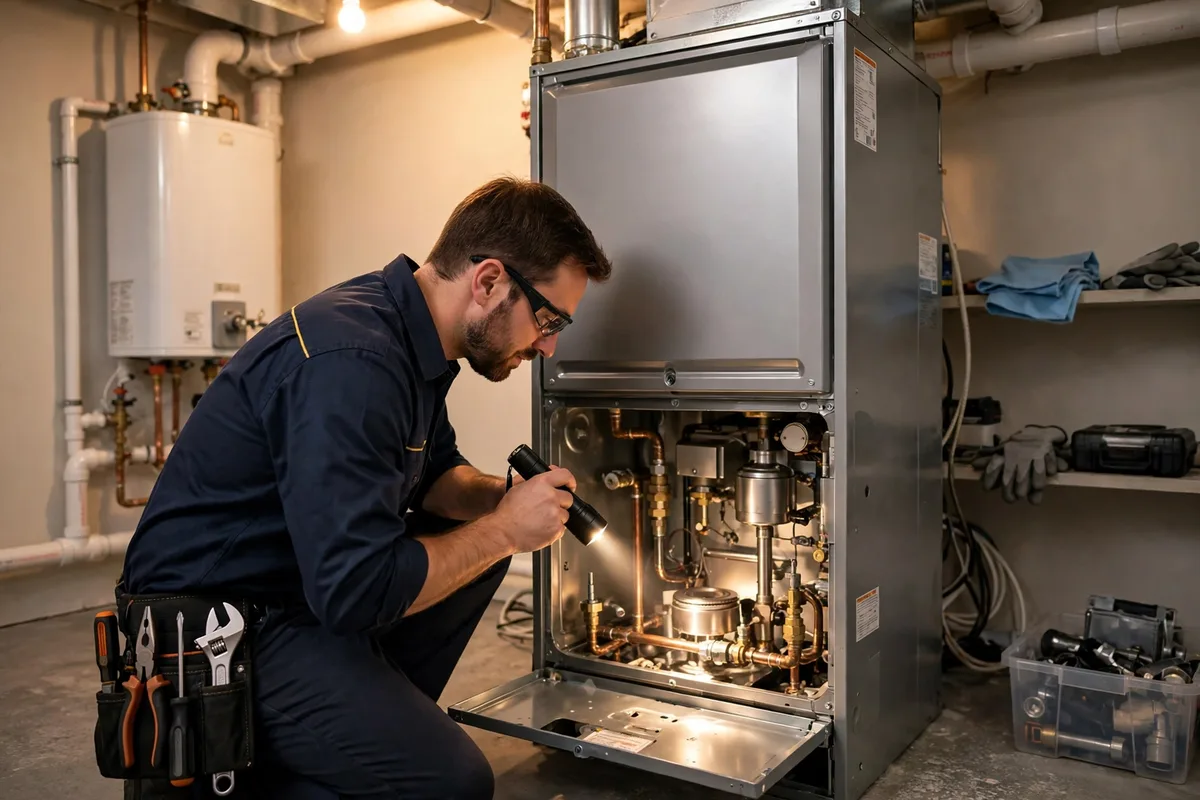
A furnace makes heat by burning gas. The burner heats a heat exchanger, the blower pushes household air across it, and warm air flows through the ducts to every room. It is a direct, powerful form of heating that works the same way regardless of the temperature outside, which is why furnaces have long been the default choice in cold climates. A furnace needs a separate air conditioner for summer cooling, so the home has two systems that each work for half the year.
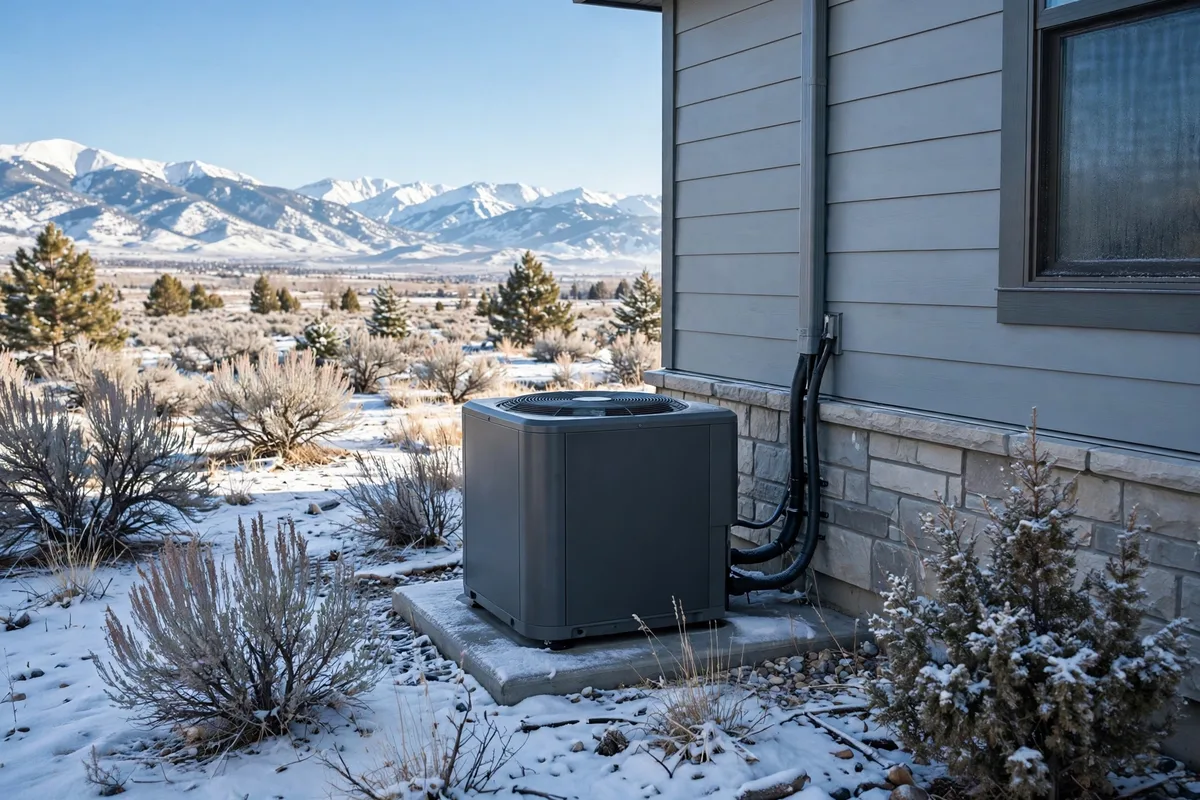
A heat pump works differently: it moves heat rather than making it. In winter it takes heat from the outside air, even cold air, and moves it inside, and in summer it reverses and moves heat out of the house, acting as an air conditioner. Because it moves heat instead of creating it, a heat pump can deliver more heating energy than the electrical energy it consumes, which is where its efficiency advantage comes from. The same equipment handles both seasons, so it runs all year rather than resting for half of it.
Cold-Climate Performance in Utah
Utah winters test any heating system, and heat pumps have improved greatly in cold weather. Modern cold-climate heat pumps use variable-speed compressors that keep working at lower outdoor temperatures than older models, and they can heat a well-insulated home through much of a Salt Lake City winter. They still lose capacity as the air gets colder, so on the coldest nights a heat pump alone may struggle to hold the set temperature, and it will lean on auxiliary electric heat, which costs more to run.
A gas furnace has no such limit. It produces the same heat on the coldest night of the year as on a mild one, which is why many valley homeowners still trust a furnace for deep winter. The trade-off is that a furnace does nothing for summer cooling, so the home needs an air conditioner as well. In practice, the choice is rarely about which system is better in theory, but about which one matches the home's insulation, the household's comfort needs, and how cold the coldest weeks tend to run.
Dual-Fuel: The Middle Path
Dual-fuel is the pairing of a heat pump with a gas furnace, and it is the option that fits Salt Lake City's climate most naturally. The heat pump handles heating in mild weather, when it is efficient and inexpensive to run, and the gas furnace takes over automatically when the outdoor temperature falls below the point where the heat pump can keep up. The changeover happens on its own, so the household notices nothing except steady warmth through the whole winter.
This pairing also covers summer cooling, since the heat pump acts as the air conditioner. The furnace then rests through the summer, which spreads wear across the two systems rather than loading it all onto one. For homes in the valley that see many mild winter days and a smaller number of very cold ones, dual-fuel uses the efficient option for the majority of the season and keeps the powerful option in reserve for the nights when it matters most.
Costs, Rebates & Running Costs
Upfront costs differ between the options, because a heat pump is a single system that handles two seasons, while a furnace needs a separate air conditioner. A dual-fuel system combines both, so its upfront figure is higher than a furnace alone but covers heating and cooling in one installation. Running costs depend on the home, the system, and energy prices, so no fixed comparison holds for every house; what matters is how each option performs across a full Utah year rather than on a single mild day.
Rebates tilt the maths for many valley homeowners. Rocky Mountain Power offers Wattsmart rebates for heat pumps, and Enbridge Gas offers ThermWise rebates for dual-fuel systems, so a heat pump or dual-fuel installation may qualify for money back from one or both programs. The amounts and the qualifying equipment change over time, so the current figures should be checked with the programs before deciding. A rebate does not make a poor fit into a good one, but on a system that already suits the home it can make the stronger choice easier to afford.
Which Fits Your Home?
A gas furnace with a separate air conditioner fits homes that already have gas, strong ductwork, and a household that values deep, steady heat on the coldest nights. It is a proven combination in Utah, and it keeps the heating and cooling systems separate, so a fault in one does not take out the other. For a home with an aging furnace and a working air conditioner, replacing the furnace alone is often the simplest path.
A heat pump fits well-insulated homes that want one system for both seasons, especially where gas is not available or the household wants to reduce gas use. Dual-fuel fits homes that want the efficiency of a heat pump for most of the winter and the deep warmth of a furnace for the coldest nights, which describes much of the valley. The right choice depends on the home's insulation, its ductwork, and how the household uses heating, so an assessment of the home itself is the proper starting point, not a comparison of equipment alone.
Frequently Asked Questions
Can a heat pump and a furnace work together in one home?
Yes, and in a dual-fuel setup that is exactly how it works. The heat pump handles heating in mild weather, and the gas furnace takes over automatically when the air outside gets too cold for the heat pump to keep up. This pairing is popular in Salt Lake City because it matches the climate: many mild winter days and a smaller number of very cold ones.
What makes a heat pump a cold-climate model?
Cold-climate heat pumps are built to keep heating at lower outdoor temperatures than older models, using variable-speed compressors and improved refrigerants. They still lose capacity as the air gets colder, which is why many Utah homes pair them with a gas furnace. A heat pump alone can suit a well-insulated home, but dual-fuel covers the coldest nights without strain.
How often would the gas furnace actually run in a dual-fuel system?
It depends on how the home is used and how cold the winters run in your part of the valley. A home that is heated steadily through the winter may find the furnace running often on the coldest weeks, while a home with strong insulation and a newer heat pump may run the heat pump for most of the season. The changeover point is set when the system is installed and can be adjusted to suit the home.
Is a heat pump cheaper to run than a furnace?
Running costs depend on the home, the system, and energy prices at the time, so no fixed comparison holds for every house. A heat pump generally costs less to run in mild weather because it moves heat rather than making it, while a furnace is the steady option in deep cold. Dual-fuel systems aim to use the cheaper source at each temperature, which is why they suit the valley's mix of mild and very cold days.