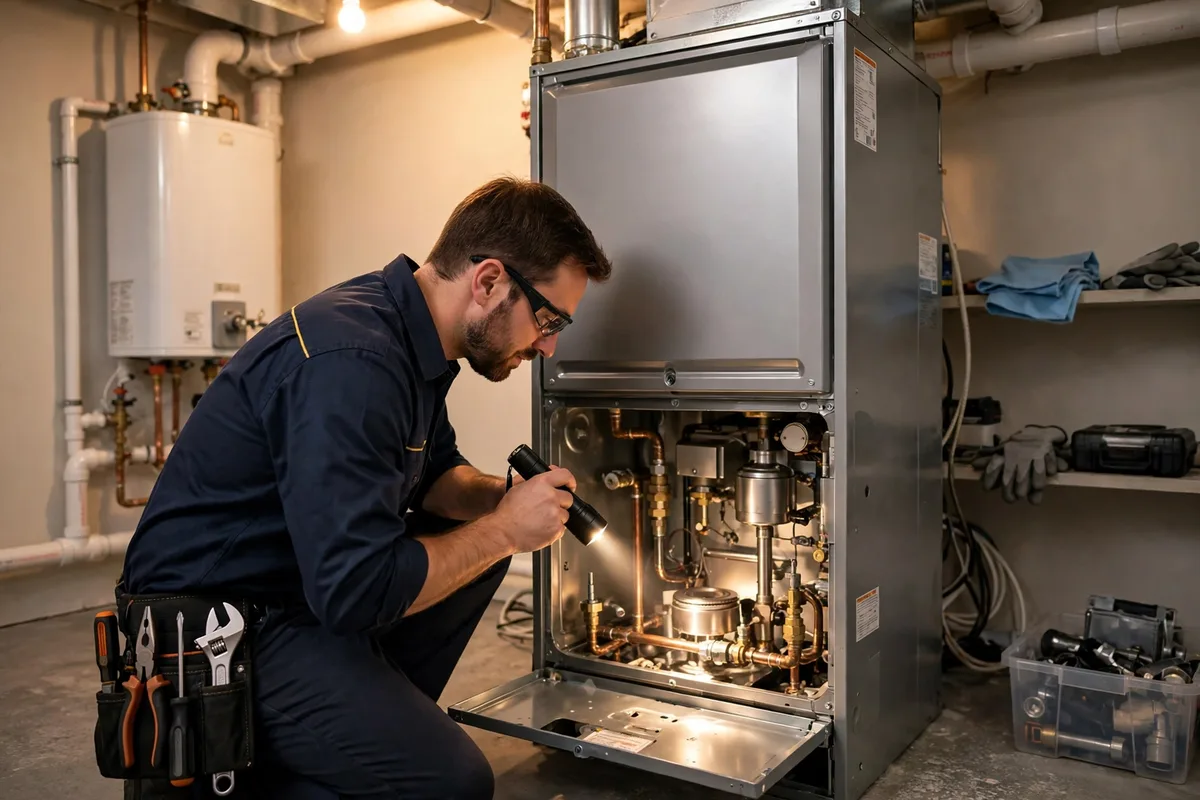
Common HVAC Problems in Salt Lake City Homes
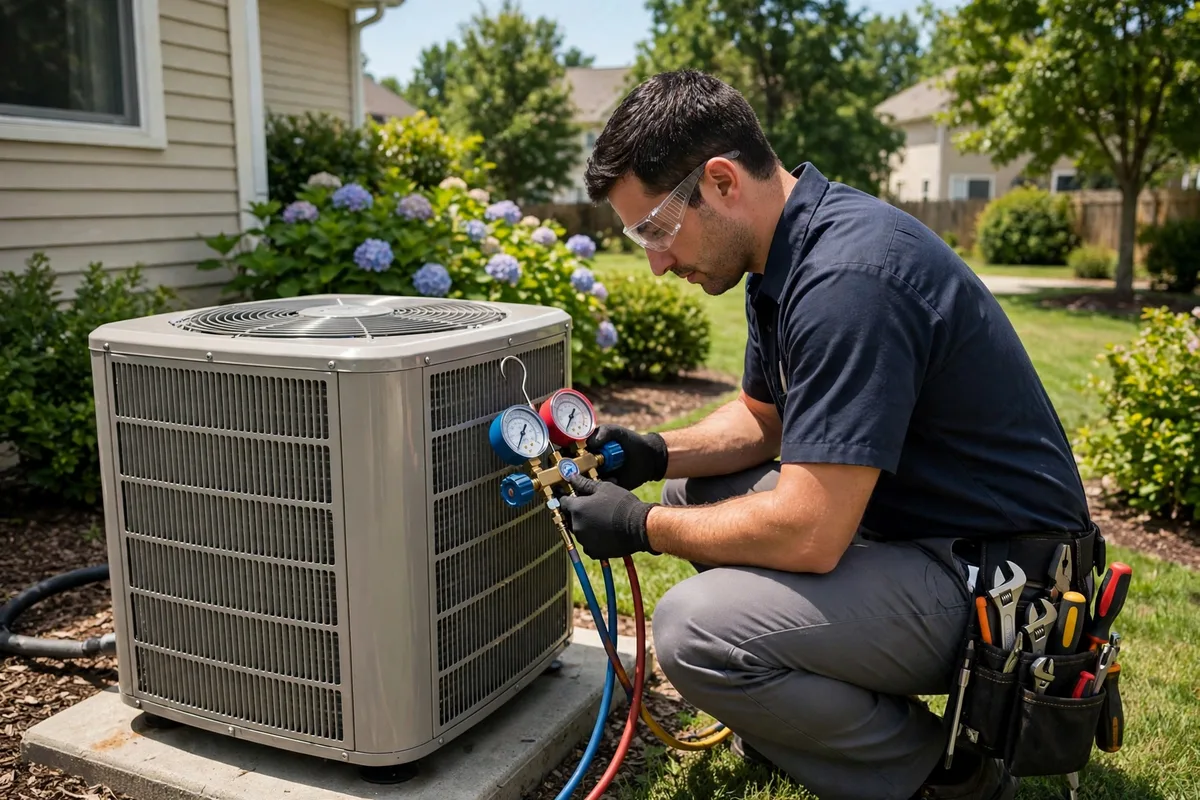
Heating and cooling systems in Salt Lake City work hard. They cool through hot, dry summers, heat through cold winters, and breathe the dust that inversion season leaves in the valley air. Over time, that workload shows up as a set of familiar problems: weak airflow, odd noises, rooms that never feel right, bills that creep upward, and systems that switch on and off too often. This guide covers the five most common problems valley homeowners report, what usually causes each one, and what you can check before calling for help.
Weak Airflow
Weak airflow is the most common HVAC complaint, and it usually starts with the filter. A filter clogged with dust, pet hair, and the fine grit of inversion season can choke the system so badly that barely any air reaches the rooms. The fix is simple, but the symptom is easy to misread as a failing blower or a dying system. Hold the filter up to the light: if you cannot see light through it, replace it and see whether the airflow recovers.
When the filter is clean and airflow is still weak, the cause is usually deeper in the system. A dirty indoor coil, a blower fan coated in dust, or ductwork that has come loose in an attic or crawl space can all reduce the air reaching the rooms. Older Avenues homes are especially prone to duct problems, because their duct runs are old, sometimes undersized, and often routed through spaces that are hard to inspect. A technician can test airflow at the vents and trace where the air is being lost.
Strange Noises
Heating and cooling systems make some noise in normal operation, but new or worsening noises are worth attention. A squealing or screeching sound often means a worn belt or a blower motor bearing that needs attention. A rattling sound can mean a loose panel, a loose duct connection, or debris caught in the outdoor unit. A banging or clanking sound when the system starts often points to a part that has come loose or to ignition problems in a furnace.
Hissing is a different warning: it can mean a refrigerant leak or a leak in the ductwork, and it deserves a prompt check. Clicking that repeats as the system tries to start can mean an ignition or control problem. When you notice a new noise, note when it happens, whether it comes from the indoor unit, the outdoor unit, or the ducts, and whether it changes as the system runs. That detail helps a technician find the cause faster and avoids a visit spent chasing a sound that will not repeat.
Uneven Temperatures
Uneven temperatures are a fact of life in many valley homes, especially older ones. Rooms far from the air handler, rooms with large sun-facing windows, and rooms above a garage or below an attic all heat and cool differently. A single thermostat cannot sense the temperature in every room, so it heats or cools based on the hallway where it sits, and the rooms at the ends of the duct runs get whatever is left. The result is a house where one room is comfortable and another is always too warm or too cold.
Ductwork is often the real cause. Leaky duct connections lose heated or cooled air into attics and crawl spaces, and long duct runs lose temperature along the way. Closed vents in unused rooms raise pressure in the rest of the system and can make the imbalance worse rather than better. Checking duct connections, balancing airflow, and making sure vents are open and unblocked are the first steps toward even temperatures, and they often help more than replacing equipment.
High Energy Bills
Rising energy use is usually a slow problem rather than a sudden one. A system that has not been serviced collects dust on its coils, runs with a clogged filter, and works harder to deliver the same comfort. A refrigerant charge that has dropped, a blower that is wearing out, or ductwork that leaks air into the attic all force the system to run longer for the same result. At Salt Lake City's elevation of about 4,226 feet, the thin air already makes compressors work harder, so any added inefficiency shows up sooner in the energy use.
Before blaming the equipment, look at the home itself. A sudden rise in energy use can come from a thermostat left at an extreme setting, a window left open, or a change in how the home is used. Comparing bills with the same months in earlier years, rather than with the previous month, gives a fairer picture. If the rise is steady and unexplained, a service visit can check the coils, the refrigerant charge, the ductwork, and the controls to find where the extra energy is going.
Short Cycling
Short cycling is when the system switches on and off far more often than it should, running for a few minutes and then stopping, again and again. It is hard on the equipment, because starting up is the most stressful part of any cycle, and it leaves the house less comfortable, because the system never runs long enough to heat or cool evenly. A clogged filter, a thermostat in the wrong place, or a refrigerant problem can all cause it, and each has a different fix.
An oversized system is a common cause in older valley homes, where equipment was sometimes installed larger than the house needed. An oversized system satisfies the thermostat quickly and shuts off before it has run long enough to balance temperatures or remove humidity, so it cycles all day. Short cycling that is new and sudden deserves a prompt check, because it can point to a fault that will worsen if the system keeps starting and stopping. A technician can test the thermostat, the refrigerant charge, and the system sizing to find the cause.
Frequently Asked Questions
What should I check first when airflow is weak all over the house?
Start with the filter, then check that vents are open and the outdoor unit is clear of debris. If those are fine and the airflow is still weak, the blower, the ductwork, or the coil may need inspection. Weak airflow that affects the whole house points to the system, while weak airflow in one room points to that room's duct run.
My system makes a noise only sometimes. Does that still matter?
Noises that are new, loud, or getting worse deserve attention, because they usually mean a part is wearing out or coming loose. A noise that appears suddenly and stops just as suddenly may be a one-off, but a noise that returns every time the system runs is a symptom worth having checked. Record when it happens and where it seems to come from before you call.
Why is one bedroom always colder than the rest of the house?
Uneven temperatures are common in older homes and in homes where ductwork was never balanced. Rooms far from the air handler, rooms with large windows, and rooms above garages all heat and cool differently. A technician can check duct connections, airflow balance, and vent placement to find where the heated or cooled air is being lost.
Can skipping maintenance really raise my energy bills?
Yes, slowly. A filter that is changed late, a coil that is never cleaned, and a system that runs with a small fault all make the equipment work harder for the same comfort. Over months and years, that extra effort shows up as higher energy use. Regular service and on-time filter changes are the simplest ways to keep running costs in check.