
Carbon Monoxide Risks Every Homeowner Should Know
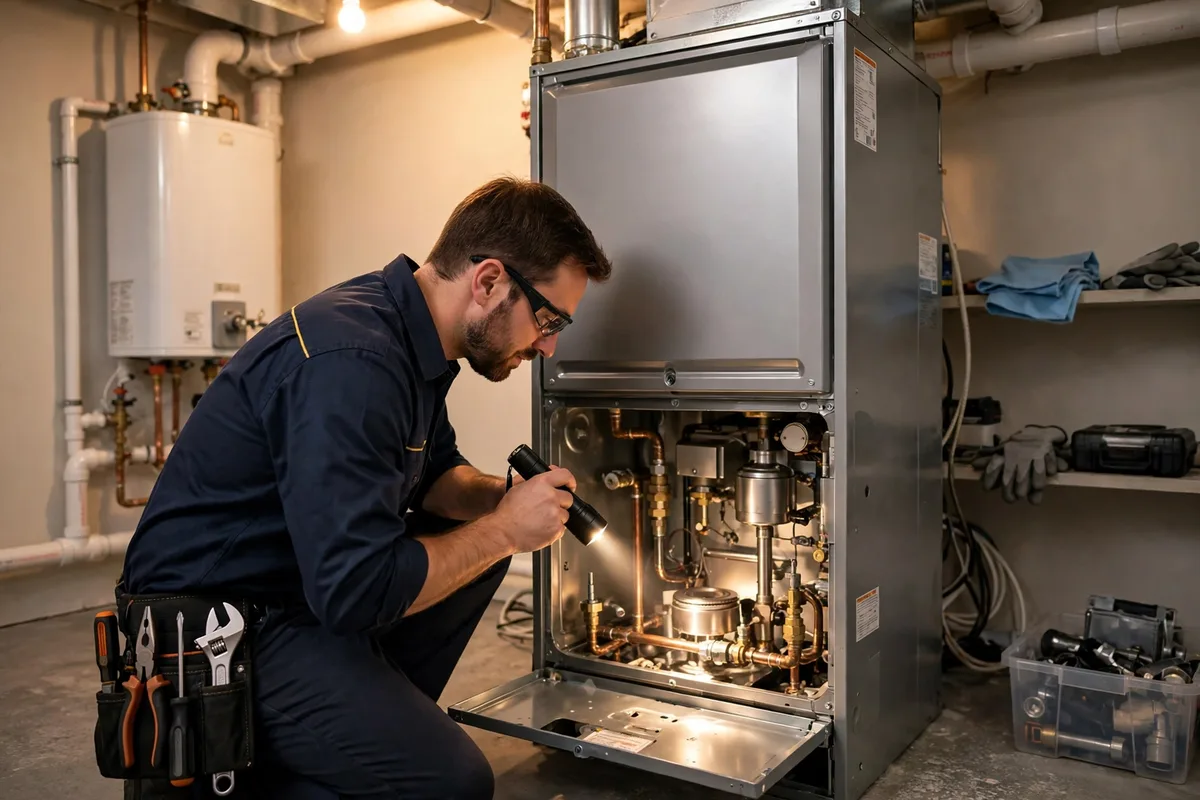
Carbon monoxide is one of the few household dangers that gives no warning of its own. It has no colour, no smell, and no taste, so a leak can fill a home while everyone inside feels fine, until they do not. It is produced when fuel does not burn completely, and in a home the usual sources are gas furnaces, water heaters, fireplaces, and stoves. The protection against it is simple: working detectors, regular maintenance of fuel-burning equipment, and knowing what to do if you suspect a leak. This guide explains where it comes from, the warning signs, how to place and test detectors, and what to do in an emergency.
Where Carbon Monoxide Comes From
Carbon monoxide is produced when fuel burns without enough oxygen to burn completely. In a home, the main sources are gas furnaces, gas water heaters, fireplaces, and gas stoves, and each of these is designed to burn cleanly and to vent its exhaust outside. When a burner is dirty, a heat exchanger is cracked, or a flue is blocked, the combustion is incomplete and carbon monoxide can escape into the living space instead of leaving through the vent. A car left running in an attached garage is another source, because the exhaust can seep into the house through doors and gaps.
Blocked vents and flues are a common cause. A bird's nest, a collapsed flue, or a vent blocked by snow or debris can trap exhaust gases inside the home, and a furnace that is starved of air because its intake is blocked will burn poorly. In older Avenues homes, where flues and chimneys may be decades old, these problems are more likely, which is why a regular inspection of the furnace and its venting matters. Carbon monoxide can also come from a neighbour's equipment in a shared building, so the risk is not always in your own home.
Warning Signs
The warning signs of carbon monoxide are the symptoms it causes in people, because the gas itself cannot be seen or smelled. Headaches, dizziness, nausea, confusion, and unusual tiredness are the early signs, and they often improve when the person leaves the house and return when they come back. If several people in the home feel ill at the same time, or if a pet becomes ill too, the pattern points to something in the air rather than to a single person's health. These symptoms should always be taken seriously when heating equipment is running.
Other warning signs come from the equipment itself. A furnace that produces soot, a yellow or flickering burner flame instead of a steady blue one, a pilot light that keeps going out, or condensation on the inside of windows near a fuel-burning appliance can all point to incomplete combustion. A detector that alarms is the clearest warning of all, and it should never be ignored or switched off. If a detector alarms, or if anyone feels ill while the furnace is running, leave the house and call 911.
Detectors: Placement & Testing
Carbon monoxide detectors should be fitted on every level of the home, outside each sleeping area, and near any fuel-burning appliance. A detector in a hallway outside the bedrooms protects the people who are asleep and least able to notice symptoms, while a detector near the furnace or water heater gives an early warning at the source. Detectors should be placed at the height recommended by the manufacturer, and they should not be hidden behind furniture or curtains, because they need to sense the air in the room.
Testing a detector is simple and should be done regularly. Press the test button to confirm that the alarm sounds, and check the date printed on the unit to see when it reaches the end of its life. A detector lasts for a limited number of years, and when it reaches the end of its life it should be replaced, even if it still seems to work, because its sensor may no longer detect the gas. Replace the batteries when the low-battery warning sounds, and never remove a detector because it alarms: an alarm means the detector is doing its job.
If You Suspect a Leak: Act Now
If you suspect a carbon monoxide leak, leave the house at once. Do not stop to open windows, do not switch appliances or lights on or off, and do not go back inside to look for the source. Get everyone, including pets, out of the house and into fresh air, and call 911 from outside. Opening windows does not make the house safe, and staying inside to investigate puts you at risk from a gas you cannot see or smell. Leave the investigation to the emergency services and the technician who follows them.
Once you are outside, do not re-enter the house until you are told it is safe. The emergency services will test the air and find the source, and a technician will need to inspect the equipment before it is used again. If anyone feels ill, tell the emergency services at once, because carbon monoxide poisoning needs prompt medical attention. A detector that has alarmed, even if everyone feels fine, should be treated the same way: leave the house, call 911, and do not go back inside until the air has been tested.
Prevention Through Maintenance
Prevention is mostly a matter of maintenance. A gas furnace that is serviced every fall, with its burners cleaned, its heat exchanger inspected, and its flue checked for blockages, is far less likely to produce carbon monoxide than one that is ignored for years. The same applies to gas water heaters and fireplaces: regular service keeps the burners clean, the combustion complete, and the exhaust flowing out of the home as it should. A service visit is also the right time to check that detectors are fitted, tested, and within their working life.
The home itself matters too. Keep vents and flues clear of nests, snow, and debris, and make sure the furnace has the air it needs to burn properly by keeping its intake clear. Never use a gas oven to heat the home, never run a generator indoors, and never leave a car running in an attached garage. These habits, together with working detectors and regular service, are the practical protection against a gas that gives no warning of its own.
Frequently Asked Questions
Which appliances in my home can produce carbon monoxide?
A gas furnace, a gas water heater, a fireplace, and a gas stove can all produce carbon monoxide if they are not burning fuel cleanly or if their exhaust is blocked. A car left running in an attached garage is another source. Any fuel-burning appliance in the home deserves regular maintenance and a detector nearby, because a fault in any one of them can produce the gas.
How do I know when a carbon monoxide detector needs replacing?
A detector lasts for a limited number of years, and the end-of-life warning, usually a chirp or a message on the display, means it should be replaced. Check the date printed on the unit and replace it when it reaches the end of its life, even if it still seems to work. A detector that is past its life may not sense the gas at all.
Should I open windows if I suspect a carbon monoxide leak?
Do not open windows, do not switch appliances on or off, and do not look for the source inside the house. Leave the house at once, get fresh air, and call 911 from outside. Opening windows does not make the house safe, and staying inside to investigate puts you at risk from a gas you cannot see or smell.
What symptoms should make me suspect carbon monoxide?
Headaches, dizziness, nausea, confusion, and tiredness that improve when you leave the house and return when you come back are warning signs. If several people in the home feel ill at the same time, or if a pet becomes ill too, take the symptoms seriously. Leave the house, get fresh air, and call 911, and do not go back inside until help arrives.