
Why Does My AC Keep Turning On and Off?
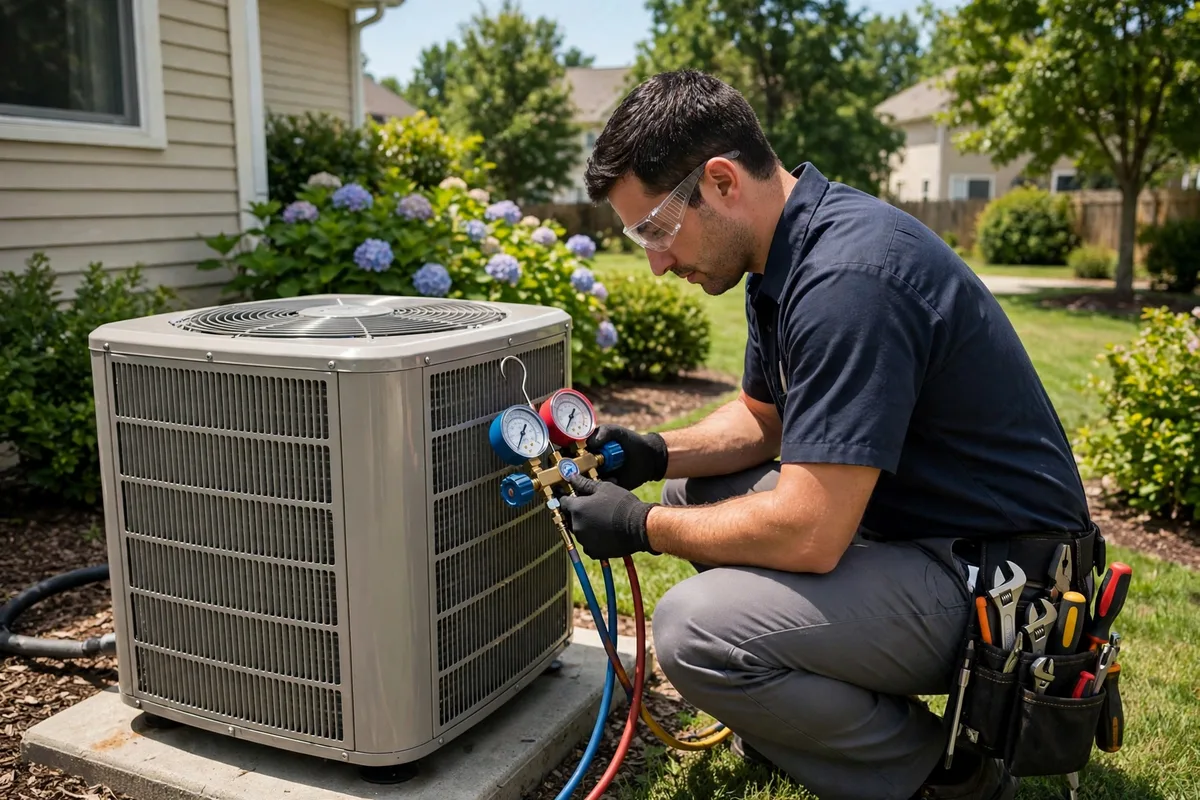
An air conditioner should run in steady cycles: on long enough to cool the house evenly, then off for a rest, then on again when the temperature rises. When it switches on and off every few minutes instead, something is wrong. This pattern, called short cycling, is hard on the equipment and leaves the house less comfortable, because the system never runs long enough to do its job properly. In Salt Lake City, where older housing stock sometimes hides oversized equipment, short cycling is a common complaint. This guide explains what it means, what causes it, and when it needs a professional.
What Short Cycling Means
Short cycling is when an air conditioner runs for only a few minutes, stops, and then starts again, repeating the pattern far more often than it should. A healthy system runs in cycles long enough to cool the air, balance temperatures across the rooms, and remove humidity, then rests until the temperature rises again. A short-cycling system never reaches that steady rhythm, so the house feels uneven: cool near the vents, warm in the far rooms, and never quite settled.
The pattern matters because starting up is the hardest part of any cycle for the compressor and the electrical controls. A system that starts and stops dozens of times a day wears out those parts far faster than one that runs in long, steady cycles. Short cycling also uses more energy, because each start draws a surge of power, and it leaves the house clammy, because the system never runs long enough to remove moisture from the air. A system that has started short cycling is a system asking for attention.
Thermostat Causes
The thermostat is the first place to look, because it controls when the system starts and stops. A thermostat placed in direct sunlight, near a heat source, or in a draughty hallway reads the wrong temperature and may shut the system down too early, only for the temperature to rise again minutes later and trigger another start. A thermostat with a failing sensor or loose wiring can send confused signals, starting and stopping the system for no clear reason. If the thermostat is in a poor location, moving it can solve the problem entirely.
Settings can cause short cycling too. A thermostat set with a very narrow temperature gap, so that it calls for cooling at the slightest rise, will cycle the system constantly. Some thermostats have an adjustable cycle rate or a minimum run time, and setting these correctly can smooth out the pattern. If the thermostat display is blank or flickering, or if the system starts and stops even when the thermostat is set correctly, the thermostat itself may be failing and may need replacing.
Refrigerant & Pressure Causes
Refrigerant and pressure problems are a common cause of short cycling. When refrigerant runs low because of a leak, the system can freeze up or trip its low-pressure safety switch, which shuts the compressor down. The system then warms up, the pressure recovers, and it starts again, only to trip the same switch minutes later. This cycle repeats all day, and each trip adds wear to the compressor. Ice on the indoor coil or the refrigerant lines is a sign that this may be happening.
High pressure can cause the same pattern from the other direction. A dirty outdoor coil, a blocked condenser, or a failing fan can let pressure build up until the high-pressure safety switch trips and shuts the system down. The system cools, the pressure falls, and it starts again, only to trip the same switch. Both low and high pressure trips are safety devices doing their job, and both point to a fault that needs diagnosis rather than a switch that needs overriding.
Oversized Systems
An oversized air conditioner is a common cause of short cycling in older Salt Lake City homes, where equipment was sometimes installed larger than the house needed. An oversized system cools the air near the thermostat quickly and shuts off before it has run long enough to cool the far rooms or remove humidity from the air. The temperature near the thermostat then rises quickly, the system starts again, and the pattern repeats all day. The house ends up cool in one spot, warm in others, and clammy overall.
Oversizing also wastes energy and wears out equipment, because the constant starting and stopping is the hardest work the compressor does. A system that is correctly sized for the home runs in longer, steadier cycles, cools evenly, and removes humidity properly. If your system has always short-cycled, even when it was new, oversizing is a likely cause. A technician can check the system size against the home's cooling needs and explain what options exist, from adjusting the airflow and controls to replacing the equipment with a correctly sized unit.
When Short Cycling Damages Your AC
Short cycling damages an air conditioner gradually, and the damage shows up in the parts that start the system. The compressor, the capacitor, and the contactor all take a surge of stress at every start, and a system that starts dozens of times a day wears them out far faster than one that starts a few times. The electrical controls suffer too, and a system that has been short cycling for a whole summer may need several of these parts replaced at once. The longer the pattern continues, the more expensive the eventual repair becomes.
The damage is not only mechanical. A short-cycling system never runs long enough to remove humidity, so the house can feel damp and clammy even when the temperature reads correctly. Mould can grow in a home that stays humid, and dust mites thrive in the same conditions. If your system has started short cycling, or has always cycled this way, do not leave it to run all summer in that pattern. A prompt check can find the cause, whether it is a thermostat, a filter, a refrigerant problem, or a sizing issue, and put the system back on a steady rhythm.
Frequently Asked Questions
Is short cycling harmful, or just annoying?
No. Starting up is the most stressful part of any cycle, so a system that starts and stops all day wears out its compressor and controls far faster than one that runs in steady cycles. Short cycling also leaves the house less comfortable, because the system never runs long enough to cool evenly. A system that has started short cycling should be checked rather than left to run that way.
Why would a system be too big for the house?
A system that is oversized cools the house quickly and shuts off before it has run long enough to balance temperatures or remove humidity, so it cycles all day. This was common in older valley homes where equipment was installed larger than the house needed. A technician can check whether the system is matched to the home and what can be done about it.
Can the thermostat really cause short cycling?
It can, if the thermostat is in direct sunlight, near a heat source, or in a draughty hallway, because it reads the wrong temperature and shuts the system down too early. A thermostat with a failing sensor or loose wiring can do the same. Moving the thermostat or replacing it is a much simpler fix than replacing equipment, so the thermostat is worth checking first.
Does a low thermostat setting cause short cycling?
Not always. A thermostat that is set very low on a hot afternoon can make the system run constantly, which is the opposite problem. Short cycling is about the system stopping too soon, not running too long. If your system runs constantly without stopping, it may be undersized, low on refrigerant, or struggling with airflow, and that also deserves a check.